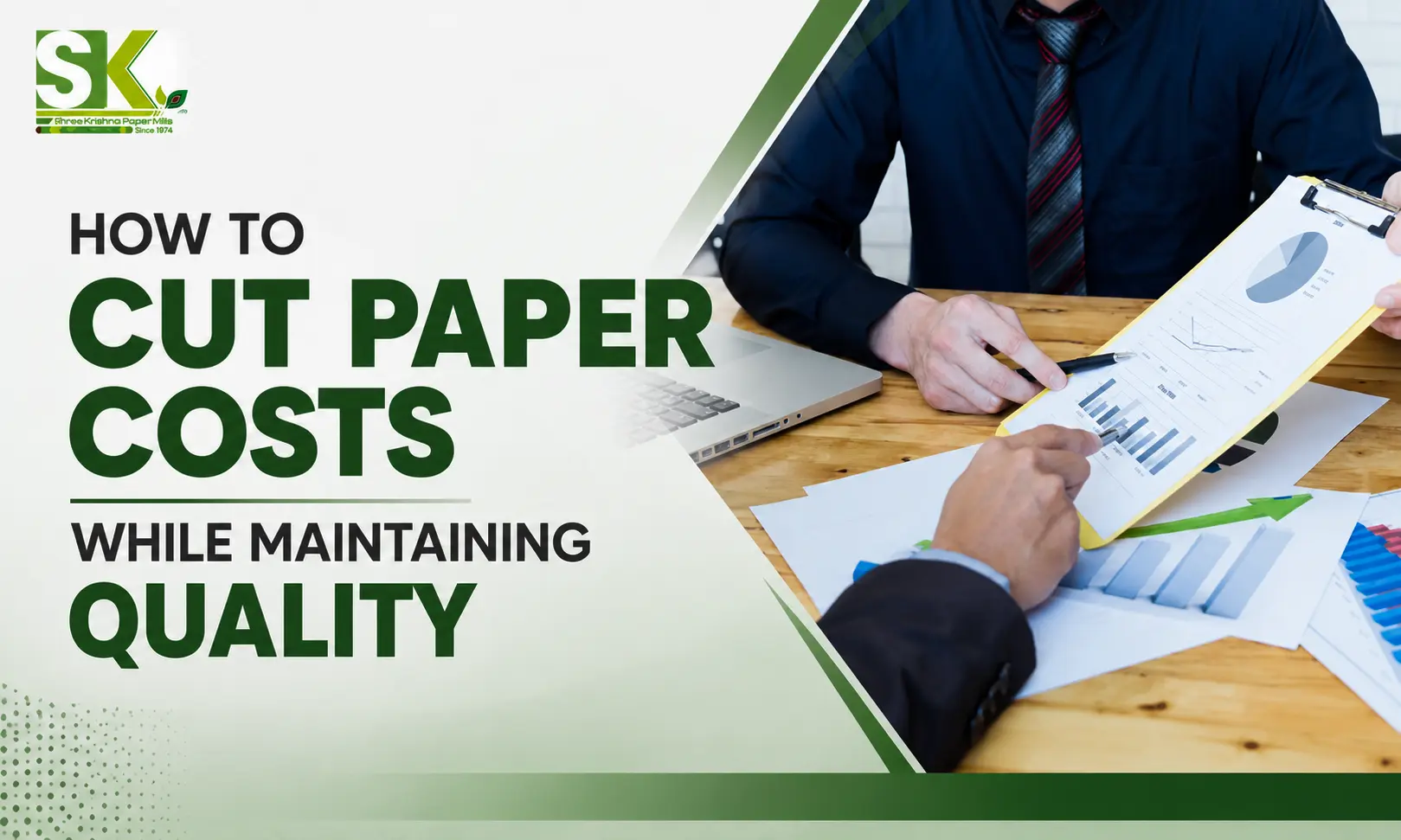
Controlling paper procurement costs is not just about finding the lowest-priced supplier. Every stage of the procurement procedure, from demand planning and inventory management to purchasing. And avoiding these factors can result in unnecessary expenses that influence both profitability and operational efficiency. When it comes to the most effective approach to procurement optimisation, then it focuses on eliminating inefficiencies instead of compromising on quality.
By improving bulk paper procurement and optimising purchasing decisions, along with strengthening supplier collaboration, businesses can get measurable procurement savings while maintaining a stable and reliable supply. In this blog, we’ve shared practical strategies in order to reduce paper purchasing costs and build a more efficient and cost-effective procurement process.
Where Paper Procurement Costs Really Come From
Paper procurement costs extend beyond the purchase price. Understanding every cost component helps businesses identify savings opportunities and make more informed procurement decisions.
Cost Component | Impact on Procurement Costs |
Purchase Price | The supplier’s quoted price is just one cost element. It’s influenced by paper grade, specifications, and order volume, along with the dynamic market. |
Freight Charges | Transportation costs depend on frequency of delivery, shipment size, distance, and fuel prices, and make logistics a significant procurement expense. |
Storage Costs | Warehousing paper actually needs dedicated space, handling equipment, labour, and proper storage conditions in order to prevent products from damage and unnecessary costs. |
Inventory Carrying Costs | Holding excess stock increases storage expenses, ties up working capital, and raises the risk of paper deterioration or obsolete inventory. Holding excess stock increases storage expenses, ties up working capital, and raises the risk of paper |
Material Waste | Trimming losses, damaged paper, and production rejects increase paper consumption and make paper cost reduction even more complex over time. |
Production Downtime | Paper shortages, delayed deliveries, or even incorrect specifications can interrupt production schedules, reducing productivity and increasing operational expenses significantly. |
Emergency Purchases | Unplanned purchases mostly involve higher prices, expedited shipping, and limited supplier choices, and increase overall paper purchasing costs considerably. |
Administrative Costs | Purchase orders, supply coordination, invoice processing, inventory tracking, and documentation need time and resources that increase procurement expenditure. |
Why Switching Suppliers Isn't Always the Best Solution?
Reducing paper procurement costs doesn’t always even need switching suppliers. Before making that decision, it’s essential to consider the hidden costs and operational challenges that mostly accompany supplier changes. Here’s a detailed look why:
- Supplier Onboarding Costs: Finding and approving a new supplier involves audits, paperwork, negotiations, as well as compliance checks that need both time and resources.
- Product Qualification Time: Every new paper grade should be assessed in order to make sure it meets your quality standards and performs consistently during production.
- Production Trial Expenses: Testing new paper demands trials with machine and material consumption, and labor, all of which increase procurement and production costs.
- Quality Variation Risks: Even small differences in paper quality can result in higher waste, inconsistent output, and additional production adjustments.
- Delivery Uncertainty: New supplier relationships can even experience inconsistent delivery schedules, increasing the risk of stock shortages and urgent purchases.
- Relationship Rebuilding: Developing effective communication and long-term collaboration takes time, delaying opportunities in order to improve efficiency and reduce costs.
Optimising Order Quantities
Ordering paper in the right quantities is one of the most effective ways to reduce paper procurement costs. Frequent small orders increase transportation and administrative expenses, while excessive ordering ties up working capital. Finding the right balance supports procurement cost optimisation and improves purchasing efficiency.
Best practices:
- Avoid frequent small purchases.
- Consolidate orders where possible.
- Balance inventory with cash flow.
- Review order quantities regularly.
Improving Demand Forecasting
Accurate demand forecasting helps businesses purchase the right quantity of paper at the right time. It minimises unnecessary inventory, reduces urgent purchases, and improves bulk paper procurement, leading to long-term procurement savings and better supply continuity.
Forecast using:
- Historical consumption data.
- Seasonal demand patterns.
- Production schedules.
- Sales forecasts.
Reducing Paper Waste During Production
Material waste directly increases paper procurement costs by raising paper consumption and production expenses. Improving operational efficiency helps businesses maximise material utilisation while maintaining consistent product quality and reducing avoidable losses.
Focus areas:
- Maintain consistent paper specifications.
- Optimise machine settings.
- Train production operators.
- Store paper correctly.
- Minimise rejected material.
Standardising Paper Specifications
Using multiple paper specifications can complicate purchasing, inventory, and production planning. Standardising commonly used grades simplifies procurement, improves stock management, and supports paper cost reduction without affecting operational requirements.
Standardise where possible:
- GSM
- Roll widths
- Sheet sizes
- Packaging formats
Improving Inventory Management
Efficient inventory management helps businesses control paper purchasing costs by maintaining optimal stock levels. It reduces storage expenses, improves inventory turnover, and prevents both overstocking and unexpected shortages that disrupt production.
Key practices:
- Maintain safety stock.
- Monitor inventory turnover.
- Review slow-moving stock.
- Optimise warehouse space.
- Conduct regular inventory audits.
Working More Closely With Existing Suppliers
Strong supplier relationships often create more value than changing vendors. Collaborative planning improves supply reliability, streamlines purchasing, and delivers sustainable procurement savings through better coordination and long-term operational improvements.
Collaborate through:
- Annual demand forecasts.
- Scheduled deliveries.
- Blanket purchase orders.
- Volume planning.
- Packaging improvements.
- Shared inventory planning.
Reviewing Freight and Delivery Costs
Logistics costs significantly influence overall paper procurement costs. Reviewing transportation strategies can lower freight expenses, improve delivery efficiency, and reduce unnecessary handling without affecting supply reliability.
Ways to optimise logistics:
- Consolidate shipments.
- Optimise delivery schedules.
- Use full-load transportation.
- Improve warehouse coordination.
Using Procurement Data to Find Savings
Procurement data provides valuable insights into purchasing performance and cost-saving opportunities. Regular analysis helps identify inefficiencies, supports informed decision-making, and strengthens procurement cost optimisation strategies across the supply chain.
Track key data:
- Monthly purchasing trends.
- Consumption reports.
- Material waste percentages.
- Emergency purchases.
- Price trends.
- Supplier performance.
Procurement KPIs That Help Reduce Costs
Monitoring procurement KPIs enables businesses to measure performance, identify inefficiencies, and track continuous improvement initiatives. These metrics support informed decisions that reduce paper procurement costs while improving operational efficiency.
KPI | Why It Matters |
Procurement cost per tonne | Measures purchasing efficiency over time. |
Material waste rate | Identifies avoidable production losses. |
Inventory turnover | Evaluates stock utilisation efficiency. |
Emergency purchase frequency | Highlights planning and inventory gaps. |
On-time delivery | Supports uninterrupted production schedules. |
Cost savings achieved | Measures results of optimisation initiatives. |
Common Cost-Saving Mistakes to Avoid
Reducing paper procurement costs requires a balanced strategy. Focusing only on immediate savings can increase operational expenses and affect long-term procurement efficiency.
- Cutting quality to save money: Lower-quality paper may increase waste, machine downtime, and production defects.
- Ordering purely on the lowest price: Ignoring quality, service, and reliability often leads to higher total procurement costs.
- Overstocking inventory: Excess stock ties up working capital and increases storage and inventory carrying costs.
- Ignoring internal waste: Production losses and poor material utilisation quietly increase paper consumption and purchasing costs.
- Not reviewing procurement data: Without performance analysis, businesses miss valuable opportunities for procurement savings.
- Poor demand planning: Inaccurate forecasts result in rush orders, stock shortages, or unnecessary inventory.
- Focusing only on supplier negotiations: Lasting procurement cost optimisation comes from improving internal purchasing and operational processes.
Paper Procurement Cost Optimisation Checklist
Use this checklist to regularly review your procurement practices and identify opportunities to lower paper purchasing costs without compromising quality.
Procurement Cost Optimisation Checklist
- Demand forecast reviewed and updated regularly
- Order quantities optimised based on actual consumption
- Inventory levels monitored to avoid overstocking or shortages
- Paper specifications standardised wherever practical
- Material waste measured and improvement actions implemented
- Freight and delivery costs reviewed periodically
- Procurement KPIs tracked and analysed monthly
- Supplier collaboration meetings scheduled regularly
- Internal procurement cost review completed
Why Does Continuous Improvement Deliver Better Savings Than Frequent Supplier Changes?
Sustainable reductions in paper procurement costs come from improving procurement processes rather than frequently changing suppliers. Continuous improvement strengthens operational efficiency, reduces avoidable expenses, and creates long-term value across the supply chain.
Benefits of continuous improvement include:
- Operational Stability: Established procurement processes minimise disruptions and support consistent production.
- Better Forecasting: Accurate planning reduces emergency purchases, inventory imbalances, and unnecessary procurement costs.
- Improved Supplier Collaboration: Long-term partnerships encourage better planning, scheduled deliveries, and shared cost-saving initiatives.
- Lower Administrative Effort: Working with trusted suppliers reduces onboarding, qualification, and contract management activities.
- Consistent Production Quality: Stable paper specifications improve manufacturing efficiency and minimise production waste.
- Sustainable Long-Term Cost Reduction: Continuous optimisation delivers lasting
procurement savings by improving inventory, logistics, purchasing, and operational performance instead of relying solely on lower prices.
Conclusion
Reducing paper procurement costs is about improving the entire procurement process, not just securing lower prices. Businesses that focus on demand forecasting, inventory management, waste reduction, logistics, and supplier collaboration are better positioned to achieve sustainable cost savings while maintaining quality and supply reliability. Looking to optimise your paper procurement strategy? SKPMIL combines decades of manufacturing expertise with a customer-focused approach to deliver consistent, high-quality paper solutions that support long-term operational efficiency.