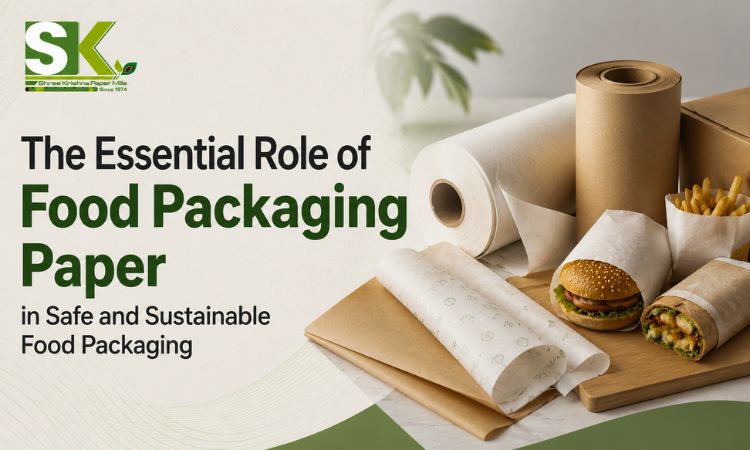
In today’s market, food businesses are challenged to maintain high food safety standards while simultaneously satisfying consumers’ demand for eco-friendly packaging. Consumers expect food products to stay fresh, safe and protected, and regulators demand that businesses adhere to strict packaging standards. Meanwhile, sustainability has emerged as a key concern for brands throughout the food sector.
That is why it is one of the most critical procurement decisions in food businesses to select the reliable Food Packaging Paper Manufacturer. By selecting the right manufacturing partner, food safety can be ensured, while also contributing to sustainability efforts, regulatory compliance, and packaging uniformity.
Manufacturers contribute to the brands’ duty to ensure the safety of the food supplied and the brand’s reputation through a variety of ways, including procurement of food-grade ingredients, quality control processes and sustainable production practices. Comprehending the role of Food Packaging Paper Manufacturers in food safety and sustainability can make a difference in making informed packaging decisions for the future.
Why Food Packaging Paper Plays a Critical Role in the Food Industry
Food packaging paper is more than just a wrapper. It directly affects product safety, customer satisfaction,and regulatory compliance.
Ensuring the quality and safety of the food
Packaging paper serves as a barrier to protect food products from contamination. Good quality food quality paper minimises the risk of contamination and helps to keep the product fresh.
Product must be integrated during storage and transportation
Often food products have to cover great distances from their point of origin to the place they are eaten. Packaging paper that is durable helps prevent environmental elements such as damage, leakage and exposure during transport and storage.
Supporting Regulatory Compliance
There are stringent regulations governing food contact materials for food businesses. By using certified packaging materials, brands can confidently deliver on these requirements.
Fulfilling Consumer Expectations for Sustainable Packaging
Today, the consumers are increasingly opting for eco-friendly packaging solutions. The use of sustainable paper packaging assists companies to meet customer expectations and decrease the environmental footprint.
Your product can suffer from contamination issues, be damaged and lose customer trust because of poor packaging quality. That’s why it’s vital to choose manufacturers who have experience, for long-term success.
Understanding the Role of Food Packaging Paper Manufacturers
The role of the food packaging paper manufacturer
Food packaging paper manufacturers make a variety of paper products specifically aimed at direct or indirect contact with food. They oversee all aspects of production, from sourcing materials to manufacturing, testing and quality control.
The differences between Manufacturers, Converters and Packaging Suppliers
- Paper materials are manufactured by the manufacturers.
- Converters convert paper to finished packaging products.
- Packaging Suppliers deliver packaging materials to businesses.
Product quality starts at the manufacturing process, making the manufacturers the base of the supply chain.
Why Manufacturers Are Essential to Food Safety Compliance
Food-contact paper products have to be safe, consistent, and comply with regulatory requirements; manufacturing know-how helps with that. Their processes directly impact packaging safety and reliability.
How Food Packaging Paper Manufacturers Ensure Food Safety Standards
The beginning of food safety is well before a package is delivered to a restaurant, bakery, or food processing plant
The selection of food-grade raw materials
Raw materials are carefully selected by manufacturers, and approved for use in food contact applications. This helps prevent contamination and ensures compliance with food safety regulations.
Cleaning during production, from beginning to end
New production plants adopt a stringent approach to hygiene and reduce the risk of contaminating the product in the manufacturing process.
Key measures include:
- Controlled production environments
- Regular equipment cleaning
- Employee hygiene protocols
- Material handling controls
- Quality monitoring systems
Quality Control and Testing Procedures
Extensive testing guarantees products perform and are safe to the standard required.
Some common tests are:
- Strength testing
- Barrier performance evaluation
- Food-contact safety testing
- Moisture resistance testing
- Consistency verification
Proceed with caution when relying on the traceability of the product and product consistency
Traceability systems enable manufacturers to trace raw materials and products from manufacturing through the process. This will increase accountability and make it easier to conduct investigations of quality if problems do occur.
Food brands can minimize risk and ensure packaging performance consistency with strong QA systems.
Also Read: Types of Packaging Paper & Their Uses across Industries
Key Food Safety Certifications and Standards Buyers Should Verify
Manufacturer certifications offer right packaging products that fulfil the requirements of industry.
Food-Grade observance Requirements
Food-grade packaging should fulfil standards managing products that directly interact with food materials.
ISO Certifications
ISO- certified suppliers validate assurance to certified quality management systems and constant development.
GMP (Good Manufacturing Practices)
Good manufacturing systems assure materials are manufactured under standardized conditions that help food products safety and reliability.
Regulatory Requirements for Food Contact Materials
Every food business must ensure that manufacturers follow all relevant food-grade standards relevant to their business.
Certifications deliver supply teams with increased confidence when evaluating manufacturers and support less compliance risks.
Manufacturing Practices That Support Safe Food Packaging
Consistent suppliers invest significantly in production processes that sustain food protection.
Hygienic Production Environments
Hygienic manufacturing environments less impurity risks and upgrade product quality
Controlled Manufacturing Processes
Every stage of manufacturing is regularly supervised to maintain continuous standards and efficiency.
Product Testing and Inspection Protocols
Consistent evaluations support verify compliance risks before products reach consumers.
Batch Consistency and Documentation
Complete documentation helps in documentation and confirms reliable product quality throughout manufacturing batches.
These production methods support less risky packaging solutions and improved regulatory standards.
Also Read: What to Look for in an Industrial Packaging Paper Exporter from India?
How Food Packaging Paper Manufacturers Support Sustainability Goals
The manufacturing phase is where sustainability begins, and the selection of suppliers is crucial for Sustainable procurement.
Responsible Raw Material Sourcing
A number of manufacturers are sourcing fiber from responsibly-managed forests to help protect the environment and ensure long-term supply.
Available options for recycled and renewable fibers
Here are some eco-friendly packaging solutions include:
- Recycled fiber content
- Renewable paper materials
- Reduced environmental impact resources
- Responsible sourcing practices
Eco-friendly production processes
Manufacturers are still investing in technology that will lower energy usage, water consumption and waste production.
Waste Reduction and Resource Performance
Efficient production systems reduce production waste and increase the use of resources.
These initiatives positively impact the environment and align with the company’s sustainability targets.
Sustainability Certifications That Matter in Food Packaging
FSC Certification
Forest stewardship council (FSC) documentation validates that paper materials beginning from carefully handled forests
Eco-friendly Forestry systems
Reliable forestry supports secure ecosystems whereas confirming long-term fiber accessibility
Environmental Management Practices
Environmental management documentations shows the fact that suppliers are proactive in monitoring and enhancing environmental efficiency
Responsible Supply Chain systems
Brands can prove their environmental responsibility during the procurement process by implementing eco-friendly supply chains.
Sustainability certifications are an important component for many organisations in evaluating and choosing manufacturers.
Industries That Rely on Food Packaging Paper Manufacturers
High-quality food packaging paper is essential for many industries to ensure the safety, compliance, and quality of the food products.
Restaurants and Quick-Service Restaurants (QSRs)
For burgers, sandwiches, wraps, fries and takeaway, food safe packaging is required for QSRs. Food freshness is maintained and customers are satisfied with the consistency of the packaging.
Bakeries and Confectionery Brands
Paper is used for food in bakery products such as pastries, cakes, cookies and confectionery. Packaging needs to safeguard sensitive products and yet be appealing to the eye.
Food Processing Companies
Food processors need packaging solutions that are large scale, compliant with strict regulatory requirements.
Grocery and Retail Food Businesses
For retail stores, it’s essential to have trusty packing supplies that can keep the product in good condition during the entire storage and moving cycle.
Takeaway and Delivery Brands
Packaging is crucial for businesses that focus on delivering products, including those that aim to provide greater value to their customers.
Packaging plays a pivotal role in businesses that have a delivery-to-customer orientation, particularly those concerned with preserving food quality and meeting sustainability targets.
These industries are more prone to collaborate with expert Food Packaging Paper Manufacturers to guarantee compliance, product security, and operational productivity.
Also Read: How to Choose the Right Industrial Packaging Paper Exporter for Global Shipping
What Brands Should Look for When Choosing a Food Packaging Paper Manufacturer
The proper choice of supplier involves careful evaluation.
Food Safety Compliance Expertise
Suppliers need to have a good understanding of regulations and food safety issues that apply to food contact.
Manufacturing Experience
Specialised suppliers tend to have more systems, technical knowledge, and problem-solving skills.
Product Quality Consistency
It is essential to be consistent to ensure product safety and brand reputation.
Production Capacity and Scalability
Businesses must select manufacturers who are able to meet future needs and shift in demand.
Customization Capabilities
Several brands need special packaging solutions to match the products and branding requirements.
Supply Chain Reliability
Consistent delivery times assure uninterrupted manufacturing and prevent stockouts.
Sustainability Commitments
Sustainability initiatives of high caliber from manufacturers can improve the effectiveness of businesses’ environmental goals.
Considering these aspects can assist procurement teams in determining the reliable Food Packaging Paper Manufacturers that meet business needs.
Questions to Ask a Food Packaging Paper Manufacturer Before Procurement
A well-organised manufacturer assessment process supports consumers to make right decisions
Important Questions to Ask
- What food safety documentations do you hold?
- How do you confirm product accessibility?
- What testing procedures are followed during production?
- Can you provide documentation and traceability records?
- How do you help sustainability goals?
- What is your production capacity?
- What quality assurance systems are in place?
- How do you handle supply chain disruptions?
These questions are able to understand consumers manufacturers consistency observance capabilities and functional availability.
Common Challenges Brands Face Without the Right Manufacturing Partner
Selecting an inconsistent manufacturer can develop high-risk exposures in business operations
Food Safety Compliance Risks
Packaging quality can differ, which may impact product performance and customer satisfaction.
Inconsistent Packaging Quality
Variations in packaging quality can affect product performance and customer satisfaction.
Supply Chain Disruptions
Poor manufacturers can lead to supply chain delays, stock shortages and interruptions.
Sustainability Compliance Challenges
If the company does not have a sustainability program in place, brands will find it difficult to fulfill their environmental promises with manufacturers.
Increased Operational Costs
Suboptimal packaging, product waste, and supply chain problems can contribute to increased operational costs.
The difficulties are a testament to the importance of choosing trustworthy Food Packaging Paper Manufacturers for a successful long-term future.
How Long-Term Partnerships with Food Packaging Paper Manufacturers Benefit Brands
Value is generated when strong relationships with manufacturers exist that are more than just a transaction.
Consistent Product Quality
Long-term partnerships ensure the consistency and predictable performance of packaging.
Improved Regulatory Compliance
Businesses rely on trusted manufacturing partners to keep them compliant with the ever-evolving regulations.
Reliable Supply Availability
Manufacturer relationships are established to ensure supply stability and minimise disruption risks.
Better Sustainability Outcomes
Sustainability initiatives and improvements to sustainability are often possible through collaborative partnerships.
Enhanced Brand Reputation
When the packaging is done properly, it will build customer confidence and give the brand credibility.
The successful business sees manufacturers as strategic partners as opposed to transactional suppliers.
Buyer’s Checklist for Evaluating Food Packaging Paper Manufacturers
The following checklist will support procurement teams verify potential manufacturers.
| verification Criteria | |
| Food Safety Certifications | ✔ |
| Manufacturing Infrastructure | ✔ |
| Quality Assurance Systems | ✔ |
| Production Capacity | ✔ |
| Traceability Processes | ✔ |
| Sustainability Certifications | ✔ |
| Delivery Reliability | ✔ |
| Technical Support | ✔ |
| Regulatory Compliance Expertise | ✔ |
| Customization Capabilities | ✔ |
This comprehensive checklist helps ease the burden on supplier comparisons and make confident purchasing choices.
Emerging Trends in Food Packaging Paper Manufacturing
Various developments that are impacting on how suppliers are evaluated, and how people are buying from them.
Growing Demand for Plastic Alternatives
Companies are looking for ways to reduce plastic packaging and are searching for paper alternatives.
Increased Focus on eco-friendly Packaging
Demand for sustainable packaging and responsibly sourced packaging materials remain strong, as the environment remains a priority.
Higher Food Safety Expectations
The regulatory authorities and buyers are increasingly demanding better food safety measures in the packaging supply chain.
Innovation in Food-Grade Paper Solutions
Manufacturers are still working on more innovative food-grade paper products that perform even better, are safer, and are more environmentally-friendly.
Trends continue to shift, but the most important decision when choosing a supplier is to do so based on compliance, quality, reliability and long-term business value.
Conclusion
The selection of Food Packaging Paper Manufacturers involves more than just buying packaging materials. This encompasses food safety compliance, product quality consistency, contributing to sustainability initiatives, and safeguarding brand reputation. When deciding a business should consider certifications, manufacturing facilities, quality control, traceability, production capacity and ecological agreement before contacting suppliers.
The partner you can trust for manufacturing contributes to lower operating risks, better adherence to compliance standards and better supply chain performance. Through a facilitated assessment process and long-term partnerships, brands can be sure to make informed choices about their suppliers that align with their business growth and sustainability goals. At SKPMIL we know that effective manufacturing collaborations are the key to safe, sustainable, and successful food packaging solutions.
Frequently Asked Questions (FAQs)
1. Why are food packaging paper manufacturers important for food safety?
Food packaging paper suppliers are important for food safety because they produce food-contact packaging products using controlled manufacturing processes product testing, and observance practices that support secure food products from infection.
2. What certifications should buyers verify before selecting a supplier?
Food-contact observance, ISO documentations, GMP observance, FSC certification, and other pertinent food regulatory approvals should be reviewed by the consumer.
3. How do manufacturers support sustainability goals?
Manufacturers contribute to sustainability by implementing responsible sourcing, using recycled fiber, organising waste reduction programs and maintaining environmentally-friendly manufacturing processes.
4. Why is traceability important in food packaging?
Traceability can be used to trace materials as they enter the supply chain, to help with greater accountability and for quality investigations if problems arise.
5. What should brands prioritize when evaluating food packaging paper manufacturers?
Brands need to pay attention to food safety compliance, product quality consistency, manufacturing skills, production capacity, supply reliability, sustainable commitment, and technical assistance.